
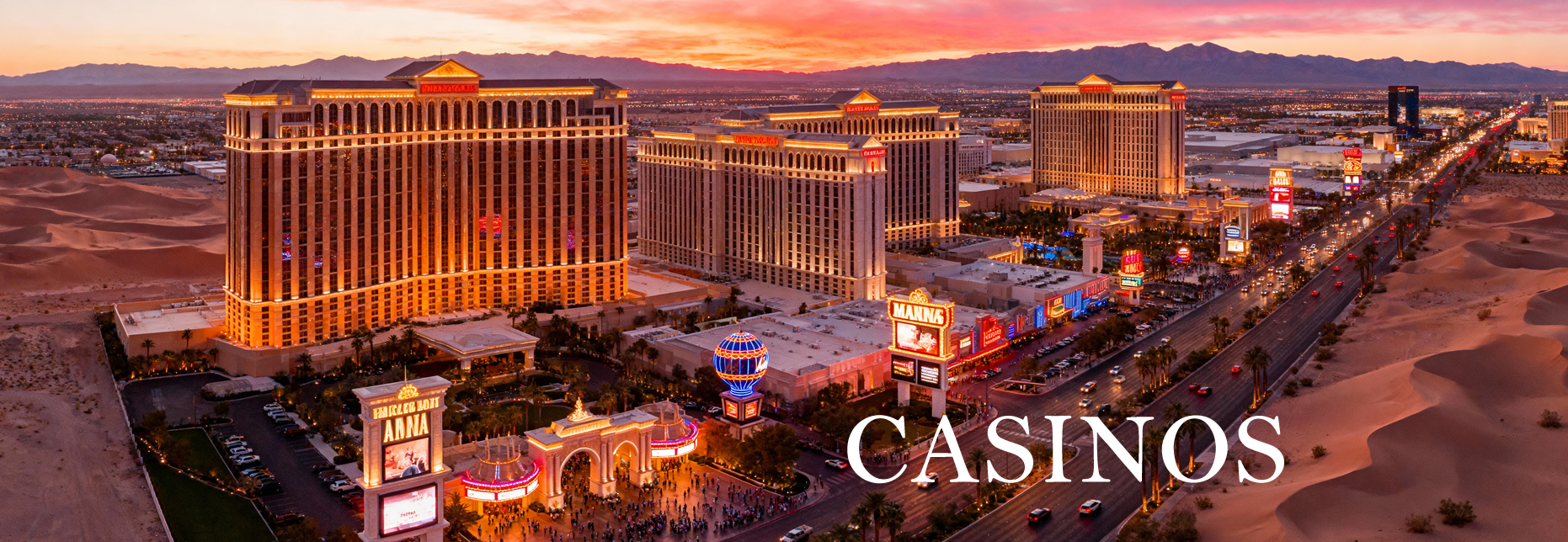
World-Class Casinos
While the Palm Springs metro area itself doesn’t have large-scale casinos (the city has historically focused on a non-gaming, mid-century modern vibe), the surrounding Coachella Valley is home to several world-class casinos owned and operated by sovereign Native American tribes.
These casinos are a short drive from downtown Palm Springs and are major destinations for gambling, entertainment, and dining.
Here is a list of the top casinos in the greater Palm Springs area, from west to east across the valley.
—
1. Agua Caliente Casino Palm Springs
Location: Downtown Palm Springs
Overview: The most centrally located and upscale of the three Agua Caliente properties. It’s integrated into the heart of Palm Springs, offering a sophisticated, modern gaming experience.
Gambling Highlights:
Slot Machines: Over 1,000 of the latest reel and video slot machines.
Table Games: A large and vibrant pit with Blackjack, Baccarat, Three Card Poker, Ultimate Texas Hold’em, and EZ Baccarat.
Poker Room: A dedicated, non-smoking poker room featuring daily Texas Hold’em and Omaha tournaments and cash games.
High-Limit Room: An exclusive, secluded area for high-stakes slot and table game players.
Amenities & Shows:
The Show: A state-of-the-art, 1,100-seat theatre that attracts major A-list performers. Think legendary musicians (like Diana Ross, Ringo Starr), top comedians, and Broadway-style productions.
Dining: Multiple options including the fine-dining The Steakhouse, the casual Grand Palms Buffet, 360 Sports for game-day viewing, and a Starbucks.
Spa & Resort: Connected to the luxurious Agua Caliente Resort, which features a full-service spa, multiple pools, and cabanas.
2. Agua Caliente Casino Rancho Mirage
Location: Rancho Mirage (approx. 10-15 minutes from downtown Palm Springs)
Overview: This flagship property is a true resort destination, larger and more expansive than its Palm Springs counterpart, set against the stunning backdrop of the Santa Rosa Mountains.
Gambling Highlights:
Slot Machines: A massive floor with nearly 2,000 slot machines.
Table Games: A comprehensive selection including Blackjack, Mini-Baccarat, Pai Gow Poker, and Spanish 21.
Poker Room: Another premier, non-smoking poker room known for its major tournament series and daily action.
Sports Book: A modern, comfortable William Hill Sports Book for betting on all major sporting events.
Amenities & Shows:
The Reef: A beautiful outdoor pool and lounge area with a waterfall, private cabanas, and a bar, creating a dayclub atmosphere.
The Summit Showroom: A 2,000-seat venue that hosts huge concerts, comedy acts, and special events.
Dining: Wide variety, from the upscale The Steakhouse and authentic Italian at Morso to the lively Pixels and a large food court.
Resort: Includes the Agua Caliente Resort with a full-service spa and luxury accommodations.
3. Morongo Casino Resort & Spa
Location: Cabazon (approx. 20-25 minutes west of Palm Springs, near the outlet malls)
Overview: One of the largest and most well-known casino resorts in Southern California. Morongo is a mega-casino with a towering hotel and a vast gaming floor.
Gambling Highlights:
Slot Machines: A colossal selection of over 2,500 slots.
Table Games: Extensive options including Blackjack, Craps, Roulette, and a variety of poker-based games.
Bingo Palace: A separate, large venue dedicated to bingo with multiple sessions daily.
High-Limit Room: The “Cielo” room offers a luxurious environment for high-stakes play.
Amenities & Shows:
Entertainment: Hosts concerts and events in its indoor venue. The Turtle Pond outdoor concert series is a popular seasonal attraction.
Dining: Dozens of options, from the gourmet Serrano and Salt Creek Grille to the massive Feast Buffet, food court, and 24-hour diner.
Resort & Spa: A 27-story hotel tower with a full-service spa, multiple pools, and a fitness center. It feels like a self-contained city.
4. Fantasy Springs Resort Casino
Location: Indio (approx. 30 minutes east of Palm Springs)
Overview: A premier destination at the eastern end of the valley, known for its fantastic entertainment and recent renovations. It’s a key part of the Indio/Coachella festival scene.
Gambling Highlights:
Slot Machines: More than 2,000 of the newest and most popular slots.
Table Games: A full array including Blackjack, Roulette, Craps, and Pai Gow.
Poker Room: A well-regarded poker room with daily tournaments.
Bingo: A modern bingo hall with regular sessions.
Amenities & Shows:
Special Events Center: A 3,500-seat arena that hosts the biggest names in music (like Blake Shelton, Pitbull), comedy, and boxing matches.
Dining: Features the fine-dining Liquid for steak and seafood, the POMona noodle bar, Bistro for casual meals, and a food court.
Resort: The attached hotel includes a pool, spa, and fitness center.
5. Augustine Casino
Location: Coachella (approx. 30-35 minutes southeast of Palm Springs)
Overview: A smaller, more intimate casino with a friendly, local vibe. It’s less overwhelming than the larger resorts but still offers a complete gaming experience.
Gambling Highlights:
Slot Machines: Around 700 slot machines in a comfortable, non-smoking environment.
Table Games: A good selection of Blackjack and California-style games.
Poker Room: Known for its friendly and active poker room with daily tournaments.
Bingo: A popular bingo hall.
Amenities & Shows:
Entertainment: Features live music and DJs in its lounge area rather than large-scale concerts.
Dining: Home to the highly-rated The Café for American classics and Cien Agaves for Mexican cuisine and tequila.
Vibe: Offers a more relaxed and classic casino experience.
Summary & Tips for Your Visit:
For Luxury & Convenience: Agua Caliente Palm Springs or Rancho Mirage.
For the Biggest Selection & Full Resort Experience: Morongo or Fantasy Springs.
For a More Local, Relaxed Vibe: Augustine Casino.
Minimum Age: All casinos require guests to be 21 or older to enter and gamble.
Complimentary Services: All casinos offer free self-parking and have robust player’s clubs. Sign up for a free player’s card to earn points for play that can be redeemed for food, hotel stays, and more.
Driving: Having a car is essential to get between Palm Springs and these casinos, but rideshare services like Uber and Lyft are readily available.


What's the story on the Salton Sea?
Here is a medium-sized history of the Salton Sea, covering its formation, its rise and fall, and the ongoing challenges it faces.
A History of the Salton Sea: California’s Accidental Ocean
The Salton Sea is one of California’s most fascinating and troubled geographical features. It is a vast, shallow saline lake located in the Colorado Desert of Imperial and Riverside Counties. Its history is a story of accidental creation, booming prosperity, and an impending environmental crisis.
I. Accidental Formation (1905-1907)
Contrary to popular belief, the Salton Sea is not a one-time anomaly. The area it occupies, known as the Salton Sink, has naturally held water in the past, forming ancient Lake Cahuilla multiple times over centuries as the Colorado River shifted its course.
The modern sea was born from a monumental engineering mistake. In 1905, engineers for the California Development Company were digging canals to divert water from the Colorado River to irrigate the fertile soil of the Imperial Valley. To save money, they created intake headgates without sufficient reinforcement.
During a period of heavy rainfall and snowmelt, the mighty Colorado River overwhelmed the flimsy controls, burst through the canals, and for the next 18 months, the entire flow of the river poured into the Salton Sink. Despite desperate attempts to stop it, including dumping train cars full of rock into the breach, the river continued to flood the desert basin until a massive effort in 1907 finally sealed the break. By then, a massive inland sea roughly 35 miles long and 15 miles wide had been created.
II. Mid-Century Boom: The “Salton Riviera” (1950s-1960s)
For decades, the new sea was seen as a happy accident. The water was fresh, filled by agricultural runoff from the Imperial and Coachella Valleys. It quickly became a spectacular wildlife habitat, located on the Pacific Flyway, attracting millions of migratory birds.
In the 1950s and 60s, a tourism boom transformed its shores. Developers dubbed it the “Salton Riviera,” a desert oasis destined to rival Palm Springs. Resorts, marinas, and yacht clubs sprang up. Towns like Salton City and Bombay Beach flourished. It became a popular fishing destination, stocked with saltwater fish like corvina, sargo, and orange-mouth corvina. For a brief, glittering period, the Salton Sea was a premier Southern California vacation spot.
III. The Inevitable Decline (1970s-Present)
The sea’s prosperity contained the seeds of its own destruction. As an endorheic basin (a closed basin with no outlet), the only way water leaves the Salton Sea is through evaporation. The water that replaces it is agricultural runoff from the farms that made the Imperial Valley the “Winter Salad Bowl” of the nation. This runoff carries not only water but also salt, pesticides, and fertilizers.
Rising Salinity: Every year, evaporation leaves the salt behind. The salinity of the sea began to rise dramatically, eventually surpassing the saltiness of the Pacific Ocean. The stocked fish species could not survive in such saline water. Massive fish die-offs became common, littering the shores with millions of carcasses.
Shrinking Volume & Toxic Dust: A pivotal moment came in 2003, when the Quantification Settlement Agreement (QSA) was signed. This water transfer deal legally redirected a portion of Colorado River water from Imperial Valley farms to urban coastal areas like San Diego. To conserve water, farmers adopted more efficient irrigation methods, which resulted in less agricultural runoff flowing into the Salton Sea. The sea began to shrink rapidly.
As the shoreline recedes, it exposes vast stretches of dry, alkaline lakebed, or playa. This playa is laced with decades of accumulated pesticides, heavy metals, and other toxins from the agricultural runoff. When the desert winds whip up, this toxic dust becomes airborne, creating a severe public health crisis for the surrounding communities, which already suffer from high rates of asthma and respiratory illnesses.
IV. Current Uses and Future Plans
Today, the Salton Sea is a haunting landscape of abandoned dreams, juxtaposed with critical ecological value. Its current uses are primarily:
Critical Wildlife Habitat: Despite its toxicity, it remains a vital stop on the Pacific Flyway for over 400 species of birds, supporting up to 80% of the population of some species like the American White Pelican.
Geothermal Energy Hub: The area around the sea is rich in geothermal resources, and it is now home to multiple geothermal power plants.
The “plans” for the Salton Sea have been decades in the making, characterized by extensive studies, political delays, and false starts. The current state-led effort is the Salton Sea Management Program (SSMP). Its primary near-term goal is not to save the entire sea, but to manage the crisis by:
1. Habitat and Dust Suppression Projects: Constructing ponds and wetlands on the exposed playa. These “managed wetlands” serve a dual purpose: they create habitat for birds and other wildlife, and the moisture controls the toxic dust, protecting air quality.
2. Lithium Extraction: A recent development is the discovery that the sea’s geothermal brine contains one of the world’s largest reserves of lithium, a critical component for electric vehicle batteries. Companies are racing to develop extraction technologies, promising a potential “Lithium Valley” that could fund restoration efforts.
The history of the Salton Sea is a stark lesson in the unintended consequences of human intervention in natural systems. It stands as a poignant symbol of both the dreams of taming the California desert and the profound environmental challenges that dream has created. Its future depends on a fragile balance of science, political will, and funding to prevent a full-blown ecological and public health disaster.